Food additives in confectionery play a variety of key roles, including enhancing flavor, improving texture, and maintaining color. They can also help maintain freshness by preventing spoilage and extending shelf life, inhibit microbial growth, ensuring the product is safe to eat.
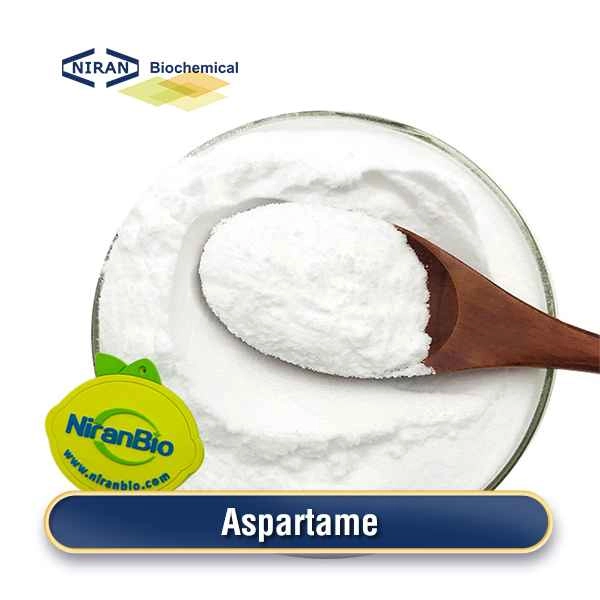
Aspartame
Low-calorie sweetener, ideal for sugar-free confectionery; typical dosage is 0.1-0.5%, offering intense sweetness without calories, enhancing taste with reduced sugar.
Sweetener for enhancing sweetness and providing quick energy; used in hard candies, chocolates, and gum with a dosage of 2-10%, contributing to a smooth texture and balanced flavor.
A bulking agent and texture enhancer used in gummies and powders for consistency and volume; typical dosage is 2-6%, providing mild sweetness and smooth texture.
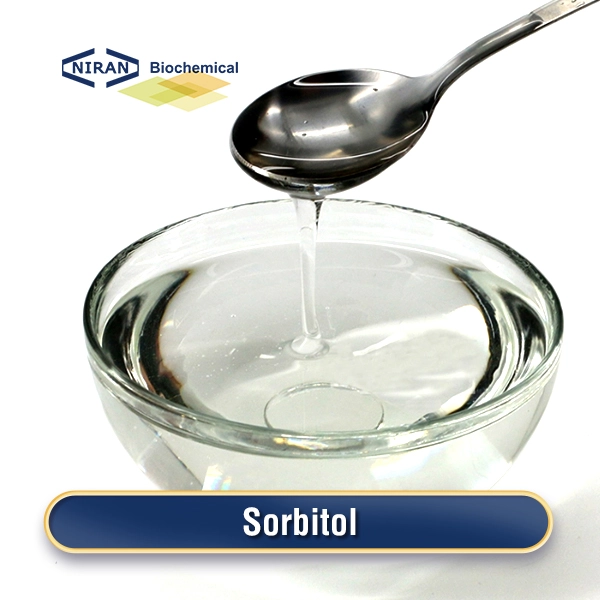
A sugar alcohol that sweetens and retains moisture in sugar-free candies, preventing crystallization; dosage is 2-10%, enhancing chewiness and stability in soft confectionery.
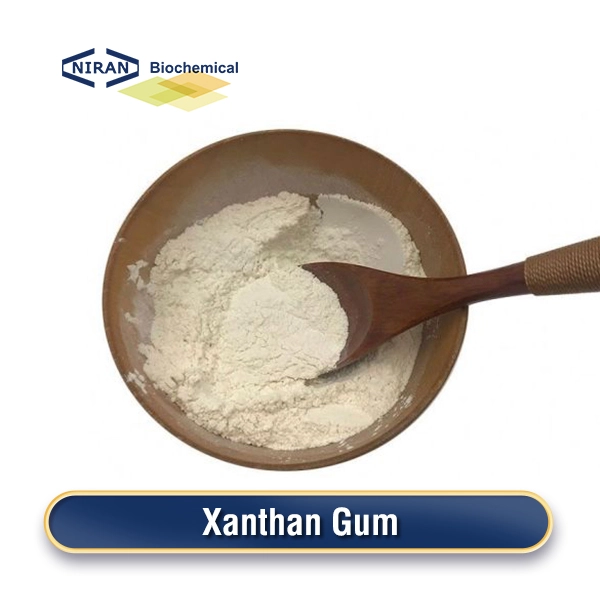
A thickening and stabilizing agent used to improve texture and prevent separation in candies and syrups; dosage ranges from 0.1-0.3%, helping maintain viscosity and mouthfeel.